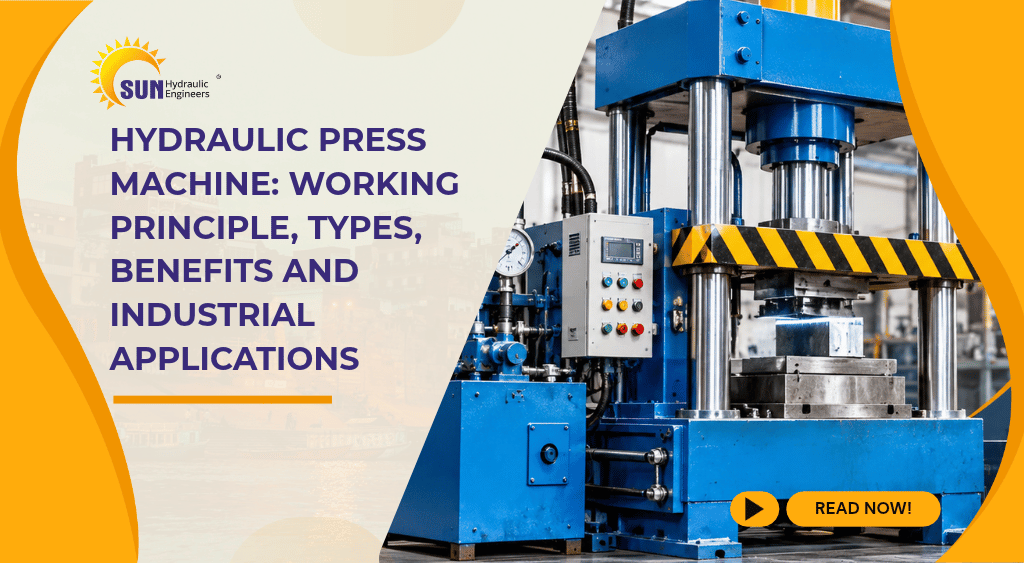
Hydraulic press machines play an important role in modern manufacturing industries. They are widely used for shaping, bending, forming, pressing, punching, and compressing different materials. These machines use hydraulic pressure to generate high force, making them suitable for applications that require controlled and powerful pressing operations.
From automobile manufacturing to metal fabrication, engineering, and industrial production, hydraulic presses help businesses improve productivity and maintain consistent product quality. Their ability to handle heavy-duty operations makes them an essential part of many manufacturing facilities across India.
In this blog, we will explain how a hydraulic press machine works, its different types, major benefits, and common industrial applications.
What Is a Hydraulic Press Machine?
A hydraulic press machine is industrial equipment that uses liquid pressure to generate force. It operates on the principle of Pascal’s Law, which states that pressure applied to an enclosed fluid is transmitted equally in all directions.
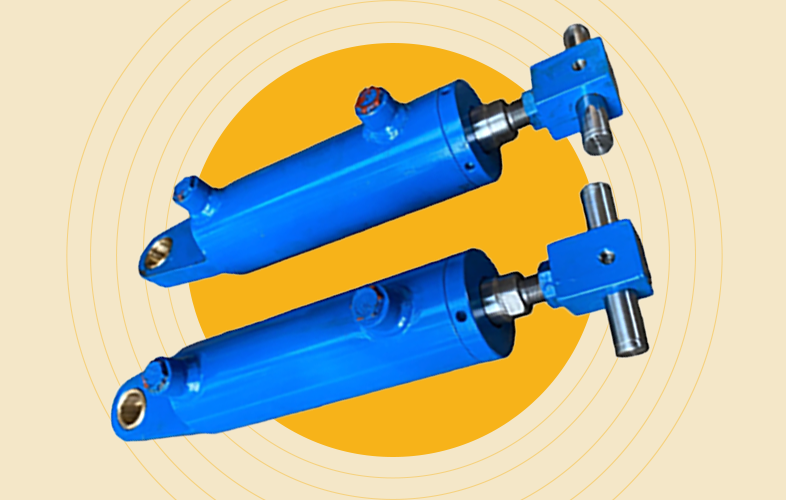
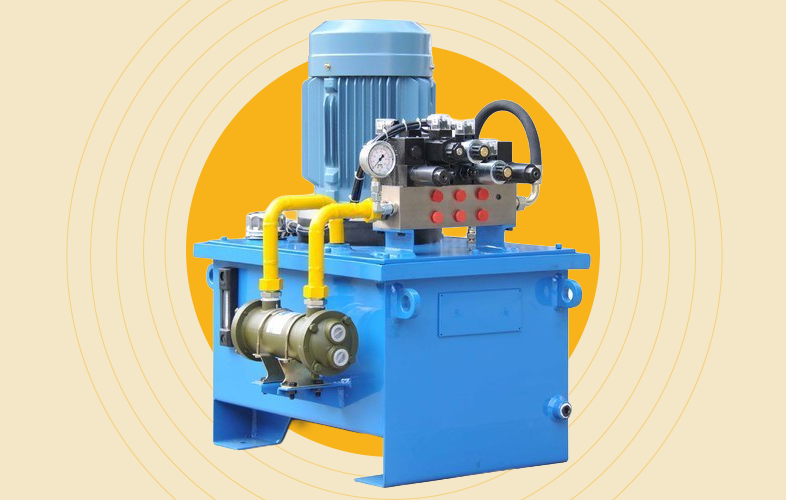
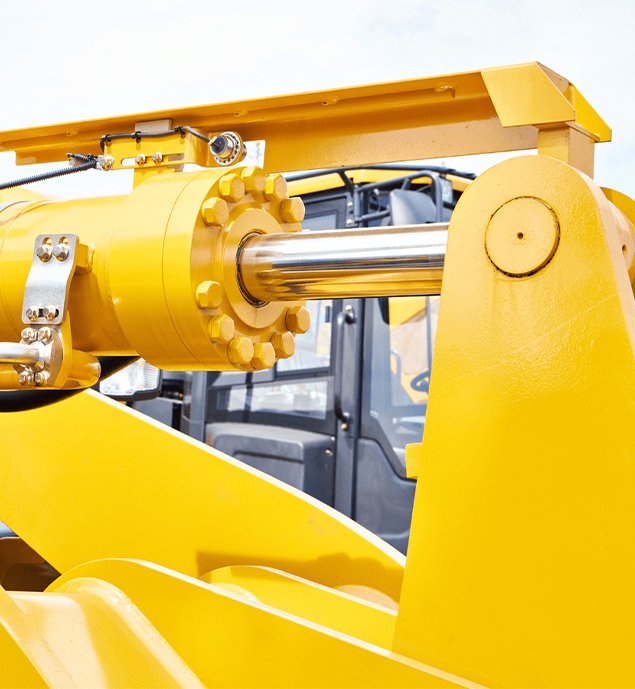
The machine uses hydraulic oil, a pump, cylinders, and pistons to produce the required pressing force. Depending on the machine design, it can perform operations such as metal forming, moulding, straightening, pressing, and material compression.
Hydraulic presses are available in different capacities, sizes, and configurations to meet the requirements of small workshops as well as large manufacturing plants.
Working Principle of a Hydraulic Press Machine
The working principle of a hydraulic press is based on Pascal’s Law. According to this principle, pressure applied to a confined liquid is transmitted throughout the liquid without reducing its intensity.
A hydraulic press generally consists of two cylinders connected through hydraulic lines. One cylinder applies pressure to the hydraulic oil, while the other cylinder uses that pressure to generate a larger force depending on the piston areas.
The working process involves the following steps:
1. Hydraulic Oil Supply: Hydraulic oil is stored in a reservoir and supplied to the system through a hydraulic pump.
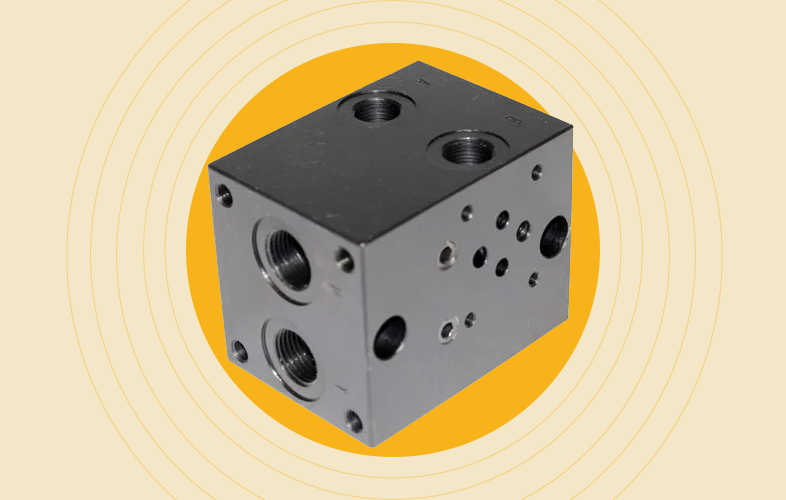
2. Pressure Generation: The pump moves the oil through the hydraulic circuit and creates the required pressure.
3. Cylinder Movement: Pressurised oil enters the hydraulic cylinder and pushes the piston in the required direction.
4. Pressing Operation: The piston transfers force to the ram or pressing tool, which applies pressure to the material.
5. Return Movement: After completing the operation, the hydraulic control system allows the ram to return to its original position.
The operator can control the pressing force, movement, and speed according to the production requirements and machine design.

Different Types of Hydraulic Press Machines
Hydraulic presses are designed for different industrial operations. Some commonly used types include:
1. H-Frame Hydraulic Press
H-frame presses have a strong frame structure that provides stability during heavy pressing operations. They are commonly used in fabrication workshops, maintenance facilities, and manufacturing units.
These machines are suitable for bearing fitting, straightening, bending, and assembly work.
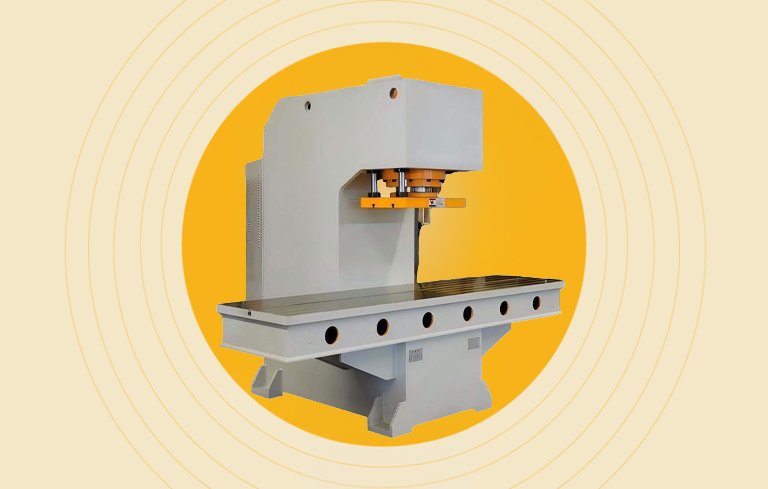
2. C-Frame Hydraulic Press
C-frame hydraulic presses have an open-sided structure that provides easy access to the working area. This design makes material loading and unloading convenient.
They are commonly used for punching, stamping, pressing, and light to medium-duty production operations.
3. Four-Column Hydraulic Press
Four-column presses use four vertical columns to support the pressing structure. This design provides good stability and helps distribute the pressing load evenly.
They are suitable for moulding, compression, deep drawing, and other applications that require controlled pressing force.
4. Hydraulic Power Press
Hydraulic power presses are designed to perform industrial pressing operations using hydraulic force. They are available in different capacities depending on the material, production volume, and application.
5. Custom Hydraulic Press
Custom hydraulic presses are developed according to specific industrial requirements. Manufacturers can design machines with suitable tonnage, working dimensions, stroke length, operating speed, and control systems.
Major Benefits of Hydraulic Press Machines
Hydraulic press machines offer several advantages for manufacturing businesses.
1. High Pressing Force
Hydraulic systems can generate significant force, making them suitable for heavy-duty industrial operations and processing thick materials.
2. Controlled Operation
Operators can adjust pressure and movement according to the job requirements. This helps achieve consistent results during production.
3. Versatile Applications
A single hydraulic press can support different operations by changing dies, tools, and fixtures.
4. Smooth Performance
Hydraulic systems provide controlled movement and consistent pressure throughout the pressing operation.
5. Suitable for Different Materials
Hydraulic presses can process materials such as steel, aluminium, copper, rubber, and other industrial materials, depending on the machine configuration.
6. Improved Production Efficiency
Automated controls and suitable machine configurations can reduce manual effort and improve production output.
Industrial Applications of Hydraulic Press Machines
Hydraulic presses are used across several manufacturing sectors in India.
Automobile Industry
Automobile manufacturers use hydraulic presses for metal forming, component assembly, bearing fitting, and sheet metal operations. These machines support the production of various automotive parts.
Metal Fabrication Industry
In fabrication workshops, hydraulic presses are used for bending, straightening, punching, and shaping metal components.
Plastic and Rubber Industry
Hydraulic presses are used in moulding and compression processes for manufacturing plastic and rubber components.
Electrical Manufacturing
Electrical equipment manufacturers use hydraulic presses for pressing, shaping, and assembling different metal and electrical components.
Engineering and Heavy Industries
Engineering units use hydraulic presses for industrial assembly, metalworking, maintenance, and heavy component processing.
Manufacturing Workshops
Small and medium-sized workshops use hydraulic presses for bearing installation, shaft straightening, component fitting, and repair operations.
Factors to Consider Before Buying a Hydraulic Press
Selecting the right machine is important for achieving efficient production and long-term performance.
Consider the following factors before purchasing:
- Pressing Capacity: Select the required tonnage based on the material and application.
- Working Area: Check the table size, daylight opening, and available working space.
- Stroke Length: Ensure the ram movement is suitable for the required operation.
- Operating Speed: Select a machine that matches your production cycle.
- Control System: Choose suitable manual, semi-automatic, or automatic controls.
- Safety Features: Check emergency stops, safety guards, overload protection, and other safety arrangements.
- After-Sales Support: Consider installation, maintenance, spare parts, and technical assistance.
Businesses looking for a reliable hydraulic press machine manufacturer in Ahmedabad should evaluate manufacturing experience, machine quality, customisation options, and after-sales service before making a purchase decision.
Maintenance Tips for Better Machine Performance
Regular maintenance helps improve machine performance and reduce unexpected breakdowns.
- Check hydraulic oil levels regularly.
- Inspect hydraulic hoses and fittings for leakage.
- Clean or replace filters according to the maintenance schedule.
- Monitor unusual noise and vibration.
- Inspect cylinder seals and moving components.
- Check electrical connections and control panels.
- Follow the recommended operating pressure.
- Schedule periodic professional servicing.
Frequently Asked Questions
1. What is the main purpose of a hydraulic press machine?
A hydraulic press is used to apply controlled pressure for pressing, bending, shaping, moulding, punching, and compressing different materials.
2. Which industries use hydraulic presses?
Automobile, metal fabrication, engineering, electrical, plastic, rubber, and general manufacturing industries commonly use hydraulic presses.
3. What determines the capacity of a hydraulic press?
The capacity depends on factors such as hydraulic pressure, cylinder size, piston area, and machine design.
4. Can hydraulic press machines be customised?
Yes. Machines can be customised according to pressing capacity, working dimensions, stroke length, operating speed, and application requirements.
Conclusion
Hydraulic press machines are essential equipment for industries that require powerful and controlled pressing operations. Their versatility, high force capacity, and ability to handle different materials make them valuable for manufacturing businesses.
Choosing the right machine according to production requirements, material specifications, and operating conditions can improve efficiency and ensure consistent results. Regular maintenance and proper operation also help extend machine life and maintain reliable performance.