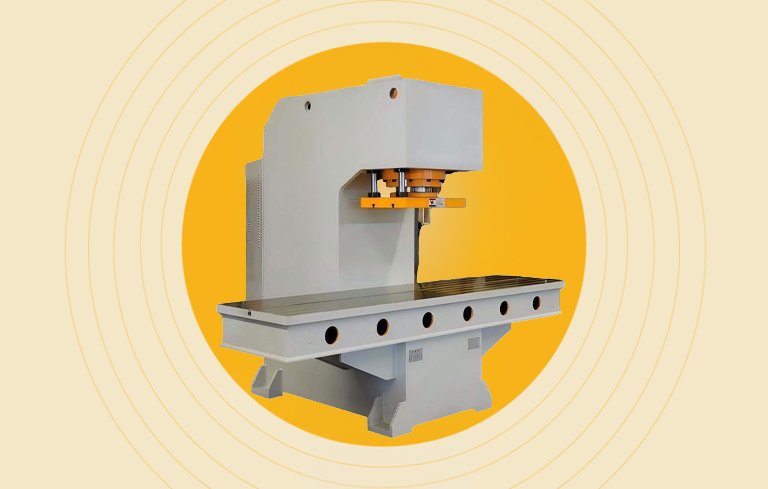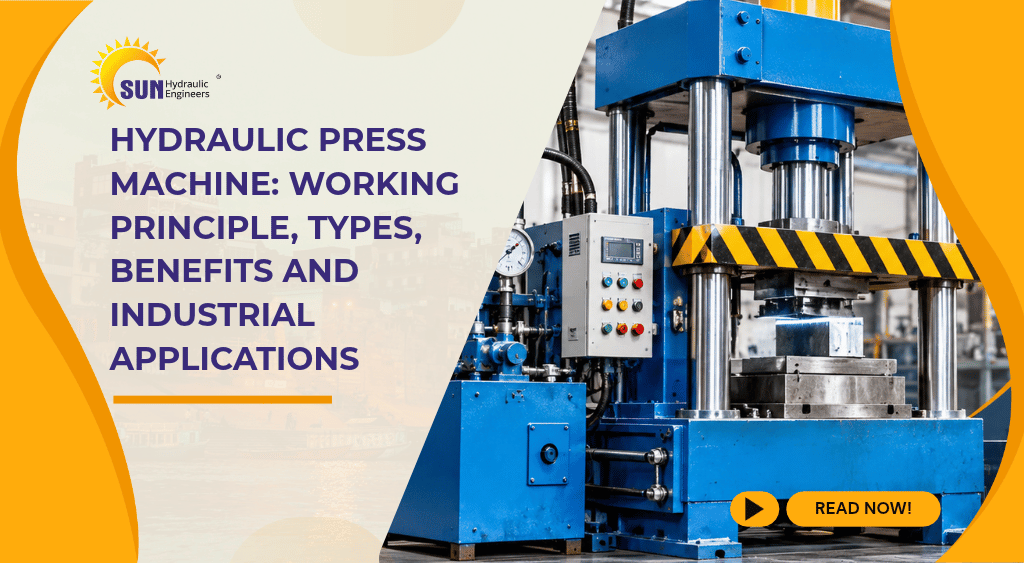
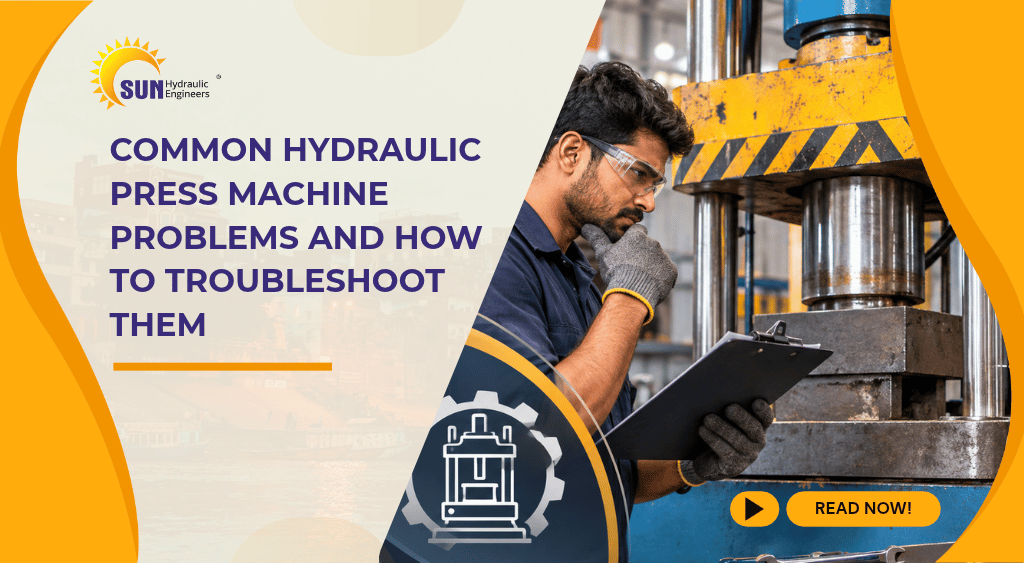
Hydraulic press machines are widely used in manufacturing, fabrication, automobile, engineering, and other industrial sectors. They perform operations such as pressing, bending, punching, moulding, straightening, and metal forming.
Although these machines are designed for heavy-duty operations, they may develop problems over time due to improper maintenance, hydraulic oil contamination, component wear, incorrect operating pressure, or electrical faults.
Even a small hydraulic system issue can affect production quality, machine efficiency, and overall operating costs. Identifying problems at an early stage helps prevent major breakdowns and unnecessary downtime.
In this blog, we will discuss common hydraulic press machine problems, their possible causes, and practical troubleshooting methods.
1. Hydraulic Press Is Not Generating Enough Pressure
One of the most common problems is insufficient hydraulic pressure. When the machine cannot generate the required force, it may fail to complete pressing operations properly.
Possible Causes:
- Low hydraulic oil level.
- Worn-out hydraulic pump.
- Pressure relief valve malfunction.
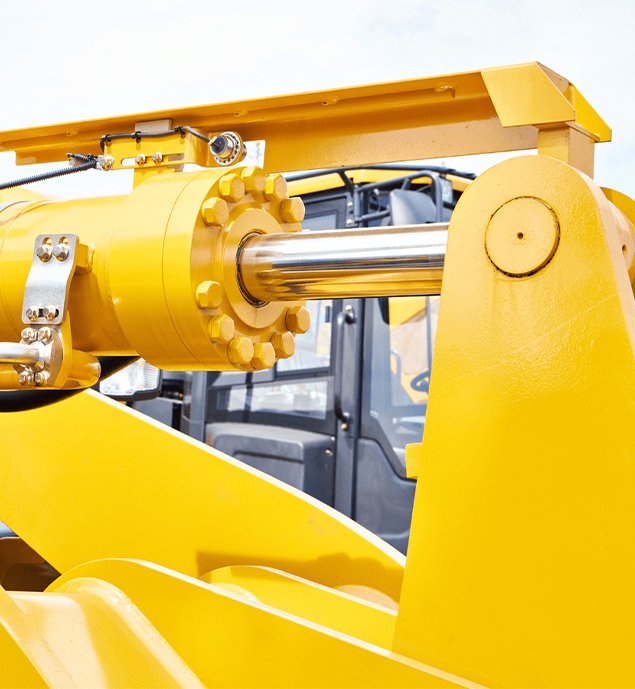
- Internal leakage in the hydraulic cylinder.
- Air entering the hydraulic system.
Troubleshooting:
First, check the hydraulic oil level and refill it if necessary using the recommended oil grade. Inspect the pressure relief valve and ensure it is functioning correctly. Check the pump for unusual noise or reduced performance.
If the pressure remains low, a qualified technician should inspect the pump, cylinder seals, and hydraulic circuit.
2. Hydraulic Oil Leakage
Oil leakage can occur from hydraulic hoses, pipe connections, cylinder seals, valves, or fittings.
Leakage reduces system efficiency and may cause pressure loss. It can also create slippery working conditions around the machine.
Possible Causes:
- Damaged hydraulic hoses.
- Loose pipe connections.
- Worn-out seals and O-rings.
- Excessive system pressure.
- Damaged cylinder components.
Troubleshooting:
Inspect the hydraulic system for visible oil leakage. Check hoses, joints, fittings, and cylinder areas. Replace damaged hoses and worn seals with suitable components.
Never attempt to tighten or disconnect pressurised hydraulic connections. Isolate the machine, release stored pressure safely, and follow the manufacturer’s maintenance instructions before carrying out repairs.

3. Hydraulic Press Ram Moves Slowly
Slow ram movement can reduce production speed and affect the overall manufacturing process.
Possible Causes:
- Insufficient oil supply.
- Clogged hydraulic filters.
- Pump performance issues.
- Incorrect flow control valve settings.
- Hydraulic oil with unsuitable viscosity.
Troubleshooting:
Check the hydraulic oil level and filter condition. Clean or replace clogged filters according to the maintenance schedule. Inspect the pump and flow control valve.
Also, ensure that the hydraulic oil grade is suitable for the operating temperature and machine specifications.
4. Hydraulic Press Produces Unusual Noise
Unusual sounds from the hydraulic system may indicate air contamination, pump damage, loose components, or insufficient lubrication.
Possible Causes:
- Air entering the hydraulic circuit.
- Low oil level.
- Pump cavitation.
- Loose mechanical components.
- Worn-out bearings or pump parts.
Troubleshooting:
Check the oil level and inspect the suction line for air leaks. Examine the pump and mechanical components for abnormal vibration or noise.
If the sound continues, stop the machine and arrange a technical inspection. Operating a noisy pump for an extended period may lead to further damage.
5. Hydraulic Oil Overheating
Excessive oil temperature is another common issue in hydraulic systems. Overheating can affect oil quality, damage seals, and reduce machine efficiency.
Possible Causes:
- Continuous operation beyond recommended limits.
- Incorrect hydraulic oil viscosity.
- Blocked cooling system.
- Excessive internal leakage.
- Incorrect pressure settings.
Troubleshooting:
Check the oil temperature and inspect the cooling arrangement. Ensure that the system is operating within the recommended pressure range.
Inspect filters, valves, and internal leakage points. Use the hydraulic oil recommended by the machine manufacturer.
6. Hydraulic Cylinder Is Not Moving Properly
Sometimes the cylinder may move unevenly, get stuck, or fail to complete its stroke.
Possible Causes:
- Damaged cylinder seals.
- Air trapped in the hydraulic circuit.
- Misalignment of the cylinder.
- Contaminated hydraulic oil.
- Faulty directional control valve.
Troubleshooting:
Inspect the cylinder for visible damage or leakage. Check the hydraulic control valve and ensure that the system is receiving the correct oil flow.
If air is suspected, bleeding should be carried out using the manufacturer’s recommended procedure. Cylinder alignment and internal components should be inspected by trained technicians.
7. Hydraulic Press Ram Does Not Return to Its Original Position
The ram should return to its original position after completing the pressing operation. If it remains extended or returns slowly, the machine may have a hydraulic or control problem.
Possible Causes:
- Directional control valve failure.
- Blocked return line.
- Insufficient return flow.
- Cylinder seal damage.
- Electrical control malfunction.
Troubleshooting:
Inspect the return line and directional control valve. Check the electrical controls and limit switches where applicable.
Avoid manually forcing the ram back into position. The machine should be isolated and inspected according to the manufacturer’s safety procedure.
8. Hydraulic Oil Becomes Dirty or Contaminated
Contaminated oil can cause wear in pumps, valves, cylinders, and other hydraulic components.
Possible Causes:
- Dust entering through the reservoir.
- Poor storage and handling of hydraulic oil.
- Damaged seals.
- Water entering the hydraulic system.
- Irregular filter replacement.
Troubleshooting:
Inspect the oil condition and filters. If contamination is confirmed, arrange proper oil filtration or replacement according to the manufacturer’s recommendations.
Keep oil containers, filling equipment, and reservoir openings clean during maintenance.
9. Electrical or Control Panel Problems
Modern hydraulic presses may use electrical control panels, sensors, switches, and programmable systems. Electrical faults can prevent the machine from starting or operating correctly.
Possible Causes:
- Loose electrical connections.
- Faulty contactors or relays.
- Damaged sensors.
- Power supply issues.
- Emergency stop activation.
Troubleshooting:
Check the power supply, control panel indicators, and emergency stop status. Inspect electrical connections only after following proper electrical isolation procedures.
A qualified electrician should handle internal panel repairs and replacement of electrical components.
10. Hydraulic Press Gives Inconsistent Results
Inconsistent pressing force or product quality can affect manufacturing accuracy.
Possible Causes:
- Fluctuating hydraulic pressure.
- Uneven material positioning.
- Worn-out dies or tooling.
- Incorrect machine settings.
- Temperature-related oil changes.
Troubleshooting:
Check pressure settings and inspect the tooling for wear or damage. Ensure materials are positioned correctly before every operation.
Also, maintain consistent operating conditions and inspect the hydraulic system regularly.
Preventive Maintenance Tips to Avoid Hydraulic Press Problems
Preventive maintenance is more effective than waiting for a machine to break down.
Follow these basic practices:
- Check hydraulic oil levels regularly.
- Replace filters as recommended.
- Inspect hoses and connections for leakage.
- Monitor oil temperature and operating pressure.
- Check cylinders and seals for wear.
- Keep the machine and surrounding area clean.
- Inspect electrical connections periodically.
- Avoid operating beyond the rated capacity.
- Maintain proper lubrication of mechanical components.
- Schedule periodic servicing by qualified technicians.
When Should You Contact a Hydraulic Machine Technician?
Some problems can be identified through routine inspection, but major hydraulic or electrical repairs require professional support.
Contact a technician if you notice repeated pressure loss, severe oil leakage, excessive overheating, unusual pump noise, cylinder damage, or electrical control failures.
Businesses searching for a reliable hydraulic press machine in India should also consider the availability of technical support, spare parts, maintenance services, and machine installation assistance.
Frequently Asked Questions
1. Why is my hydraulic press losing pressure?
Pressure loss can occur due to low oil levels, pump wear, damaged seals, faulty valves, or leakage in the hydraulic circuit.
2. How often should hydraulic oil be changed?
The replacement interval depends on operating hours, oil condition, contamination levels, and manufacturer recommendations. Regular oil inspection is important.
3. What causes hydraulic press overheating?
Common reasons include excessive pressure, poor cooling, unsuitable oil viscosity, continuous operation, and internal leakage.
4. Can a hydraulic press operate with oil leakage?
No. Oil leakage should be addressed promptly because it can cause pressure loss, component damage, and workplace safety hazards.
Conclusion
Hydraulic press machine problems can affect production efficiency, product quality, and equipment life. Issues such as low pressure, oil leakage, overheating, slow movement, and unusual noise should be identified and addressed at an early stage.
Regular inspection, proper hydraulic oil management, timely filter replacement, and professional servicing can help prevent unexpected breakdowns. Following the manufacturer’s operating and maintenance guidelines is essential for safe and reliable machine performance.