
Introduction
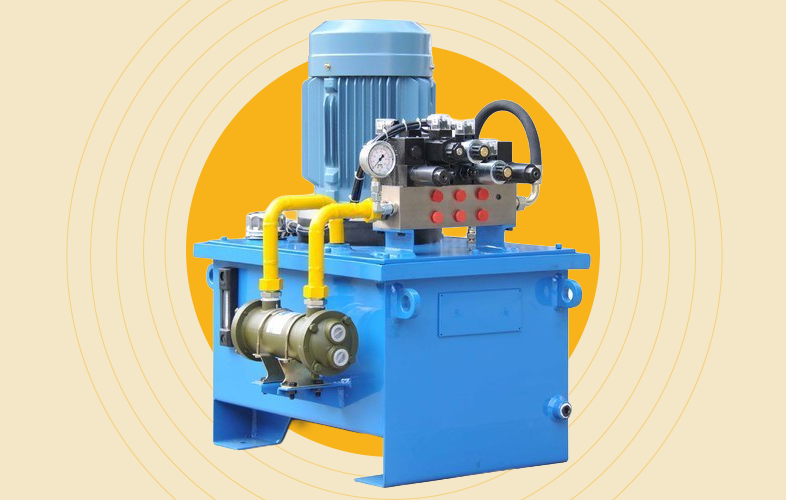
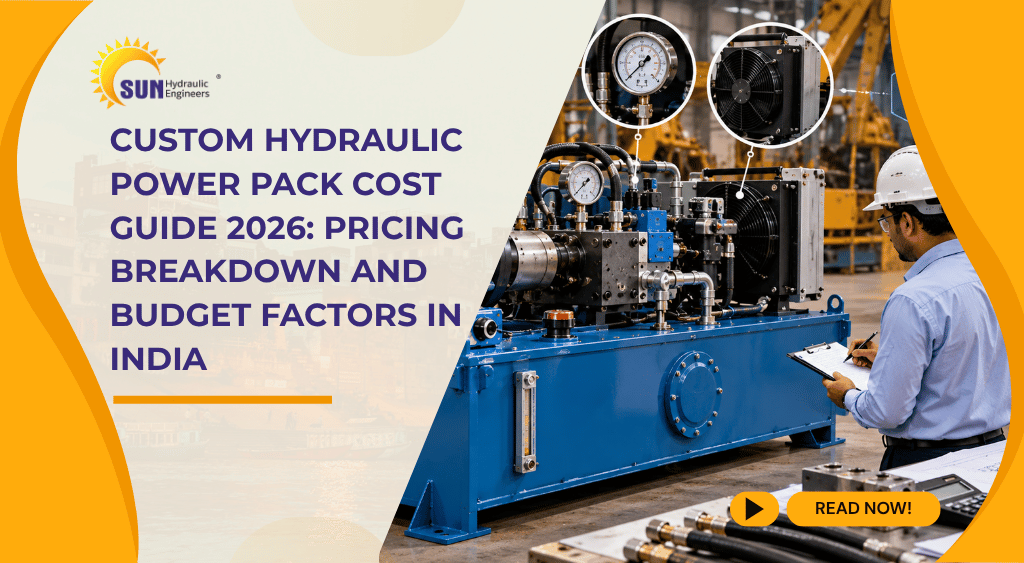
Hydraulic power packs are essential components in industrial machinery, manufacturing units, construction equipment, material handling systems, and hydraulic presses. They generate the hydraulic pressure and flow required to operate cylinders, motors, and other hydraulic equipment.
In India, the cost of a hydraulic power pack in 2026 depends on several factors, including motor capacity, pump type, operating pressure, oil tank size, control valves, and customisation requirements. A basic hydraulic power pack may be suitable for simple applications, while a customised system with advanced controls and higher pressure capacity may require a larger investment.
Understanding these cost factors helps businesses plan their budgets, compare supplier quotations, and select equipment that meets their operational requirements.
In this guide, we explain hydraulic power pack pricing, the major factors affecting the cost, and practical ways to manage your budget in India.
1. What Is the Cost of a Hydraulic Power Pack in India in 2026?
The cost of a hydraulic power pack varies according to its specifications and intended application. Standard units generally cost less than systems designed for heavy-duty industrial operations.
The following table provides indicative budget ranges for planning purposes.
| Hydraulic Power Pack Type | Estimated Price Range |
| Small hydraulic power pack | ₹15,000–₹40,000 |
| Medium-capacity hydraulic power pack | ₹40,000–₹1,00,000 |
| Industrial hydraulic power pack | ₹1,00,000–₹2,50,000 |
| Heavy-duty hydraulic power pack | ₹2,50,000–₹5,00,000+ |
| Fully customised hydraulic power pack | ₹3,00,000–₹10,00,000+ |
Note: These are indicative budgeting estimates for 2026, not verified market quotations. Actual prices may vary significantly depending on technical specifications, components, manufacturer, taxes, and installation requirements.
For example, a small power pack used in a compact lifting system may have a relatively low initial cost. However, a power pack designed for a hydraulic press or a continuous industrial production line may require a larger motor, a higher-capacity pump, specialised valves, and additional safety features.
Therefore, it is important to compare quotations based on specifications rather than price alone.

2. Major Factors Affecting Hydraulic Power Pack Cost
Several technical and operational factors determine the final price of a hydraulic power pack.
Motor Capacity and Power Requirements
The electric motor drives the hydraulic pump and directly affects the system’s performance. Small applications may require a lower-capacity motor, while heavy industrial machinery may need a more powerful motor.
Higher motor capacity can increase the overall cost because of the motor price, electrical components, power consumption requirements, and associated system design.
When selecting a motor, consider the machine’s load, operating cycle, required speed, and daily working hours.
Hydraulic Pump Type
The hydraulic pump is one of the most important components of a power pack. Different pump types offer different performance levels and operating characteristics.
Common options include:
- Gear pumps for general-purpose hydraulic applications.
- Vane pumps for applications requiring suitable flow performance and smooth operation.
- Piston pumps for applications requiring higher pressure or more advanced flow control.
The pump should match the required pressure, flow rate, and duty cycle. Selecting an unnecessarily expensive pump can increase the initial investment, while choosing an unsuitable pump may lead to performance problems and higher maintenance costs.
Operating Pressure and Flow Rate
Operating pressure and flow rate are key factors in determining system capacity.
A hydraulic power pack designed for higher pressure may require specialised pumps, valves, seals, hoses, and fittings. Similarly, a system requiring a higher oil flow rate may need a larger pump and motor.
Before requesting a quotation, determine the required operating pressure in bar and flow rate in litres per minute (LPM). These details help suppliers recommend a suitable configuration.
Oil Tank Capacity
The oil reservoir stores hydraulic fluid and helps manage heat, air separation, and contamination.
The required tank capacity depends on the system’s design, operating cycle, heat generation, and available installation space. Larger reservoirs can increase material and fabrication costs.
The tank should not be selected only on the basis of price. An appropriately sized reservoir helps maintain reliable system performance.
Valves, Filters, and Control Systems
Control valves regulate oil direction, pressure, and flow. Filters help remove contaminants, while pressure gauges and sensors support system monitoring.
Additional components may include:
- Directional control valves
- Pressure relief valves
- Flow control valves
- Oil filters and return-line filters
- Pressure gauges and sensors
- Electrical control panels
- Pressure switches and automation controls
A basic system may need only a few components, while an automated industrial power pack can require a more complex control arrangement. These additions can significantly affect the final price.
3. How Customisation Affects the Total Budget
Custom hydraulic power packs are designed according to the specific requirements of a machine or industrial process. Unlike standard units, customised systems may need special tank dimensions, unique mounting arrangements, particular operating pressures, or integration with existing equipment.
The following customisation requirements can increase costs:
Application-specific design: Equipment designed for hydraulic presses, lifting systems, injection moulding machines, or material handling equipment may require different technical configurations.
Special operating conditions: High temperatures, continuous operation, dusty environments, or demanding industrial conditions may require suitable components and additional protection.
Automation requirements: PLC controls, sensors, automatic pressure regulation, and remote monitoring can increase the cost but may improve process control.
Safety features: Pressure protection, emergency stop integration, and other application-specific safety provisions may add to the investment.
Installation and commissioning: On-site installation, hydraulic piping, electrical connections, testing, and commissioning may be charged separately.
Providing complete technical requirements before manufacturing begins helps reduce design changes, unnecessary expenses, and delivery delays.
4. Additional Costs to Consider When Preparing Your Budget
The purchase price is not always the total cost of installing and operating a hydraulic power pack.
Businesses should consider the following expenses when preparing their budgets.
| Cost Component | What to Check |
| GST | Confirm whether GST is included in the quotation |
| Transportation | Check delivery charges and packaging costs |
| Installation | Confirm whether installation is included |
| Hydraulic oil | Check the required oil grade and initial filling cost |
| Piping and fittings | Include hoses, pipes, connectors, and adapters |
| Electrical work | Consider wiring, control panels, and connections |
| Testing and commissioning | Confirm the scope of testing before delivery |
| Maintenance | Estimate filter replacement, oil changes, and servicing |
| Spare parts | Check availability and replacement costs |
Request an itemised quotation to understand exactly what you are paying for. This also makes it easier to compare offers from different suppliers.
5. How to Reduce Hydraulic Power Pack Costs Without Compromising Quality
Reducing the purchase price should not come at the expense of machine performance, safety, or service life. Businesses can manage costs more effectively by following a few practical steps.
Choose the correct capacity: Avoid oversizing the motor, pump, and reservoir beyond actual requirements. At the same time, ensure the system can handle the machine’s maximum operating load.
Define specifications clearly: Share the required pressure, flow rate, motor power, tank capacity, operating cycle, and application details before requesting quotations.
Select suitable components: Choose pumps, valves, filters, and electrical components based on performance requirements instead of adding unnecessary features.
Compare complete quotations: Evaluate component quality, warranty, service support, delivery timelines, and installation charges along with the purchase price.
Plan preventive maintenance: Regular inspection, clean hydraulic oil, timely filter replacement, and leak detection can reduce breakdowns and unexpected repair expenses.
Consider energy efficiency: An appropriately sized motor and a suitable hydraulic circuit can help control electricity consumption, particularly in applications with long operating hours.
6. How to Choose the Right Hydraulic Power Pack Manufacturer in India
Choosing the right hydraulic power pack manufacturers in India is important because the quality of the design, components, manufacturing, and after-sales service affects long-term operating costs.
Before finalising your supplier, consider the following points:
- Technical experience: Check whether the supplier has experience with your type of machinery and industrial application.
- Customisation capability: Confirm that the manufacturer can design the system according to your pressure, flow, capacity, and space requirements.
- Component quality: Ask about the pump, motor, valves, seals, filters, and other major components used in the system.
- Testing and quality checks: Confirm whether the power pack is tested before dispatch.
- Warranty and service: Understand the warranty terms, spare parts availability, and technical support arrangements.
- Quotation transparency: Check whether the quotation clearly lists specifications, inclusions, exclusions, and applicable taxes.
However, the final selection should depend on technical suitability, product quality, service support, and overall value rather than location or initial price alone.
7. Information to Share Before Requesting a Hydraulic Power Pack Quote
Providing accurate information helps manufacturers prepare a suitable quotation and reduces the need for repeated technical discussions.
Keep the following details ready:
- Application or machine type.
- Required operating pressure in bar.
- Required oil flow rate in LPM.
- Motor power and electrical supply requirements.
- Hydraulic cylinder specifications, if applicable.
- Tank capacity or available installation space.
- Operating hours and duty cycle.
- Manual, semi-automatic, or automatic control requirements.
- Installation location and environmental conditions.
- Expected delivery timeline and budget.
If some specifications are unavailable, share the machine details and intended operation with the supplier. A technical discussion can help identify the appropriate system configuration.
Conclusion
The cost of a custom hydraulic power pack in India in 2026 depends on motor capacity, pump selection, operating pressure, oil tank size, control components, customisation, and installation requirements. While a basic unit may suit simple applications, heavy-duty and automated systems generally require a higher investment.
The best approach is to define your technical requirements, request itemised quotations, compare component quality, and consider long-term maintenance and energy costs before making a decision.
A properly designed hydraulic power pack can support reliable machine performance, reduce unplanned downtime, and deliver better value over its operating life. By balancing the initial budget with quality, efficiency, and service support, businesses can make a more informed purchasing decision.