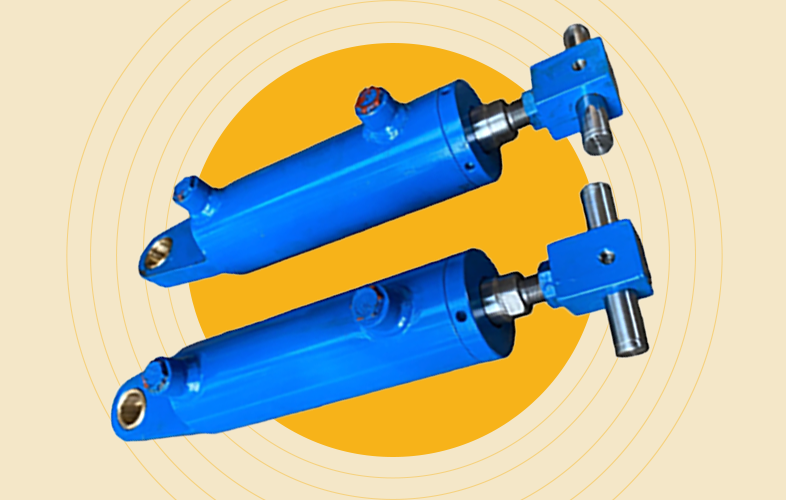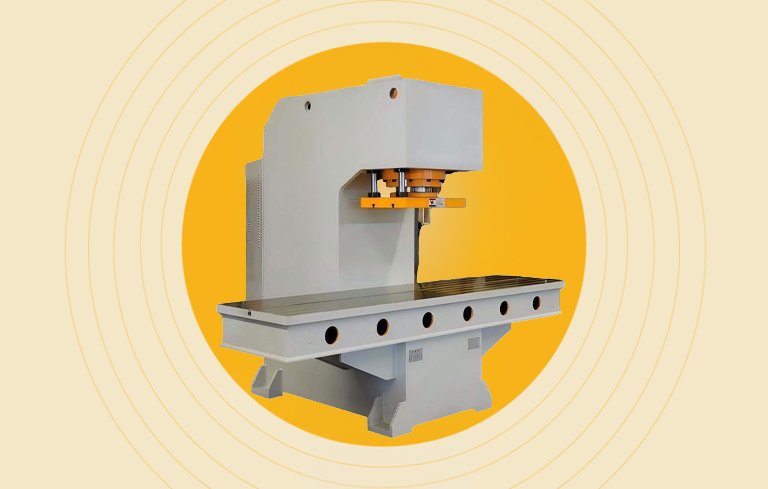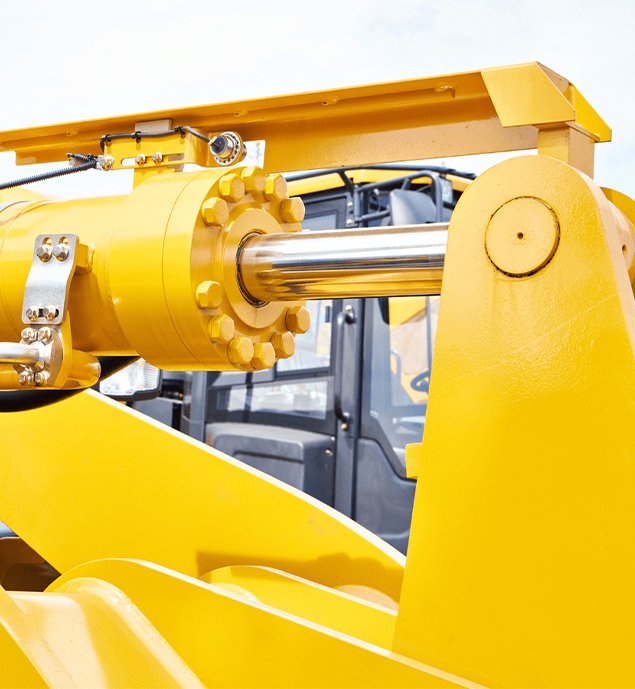
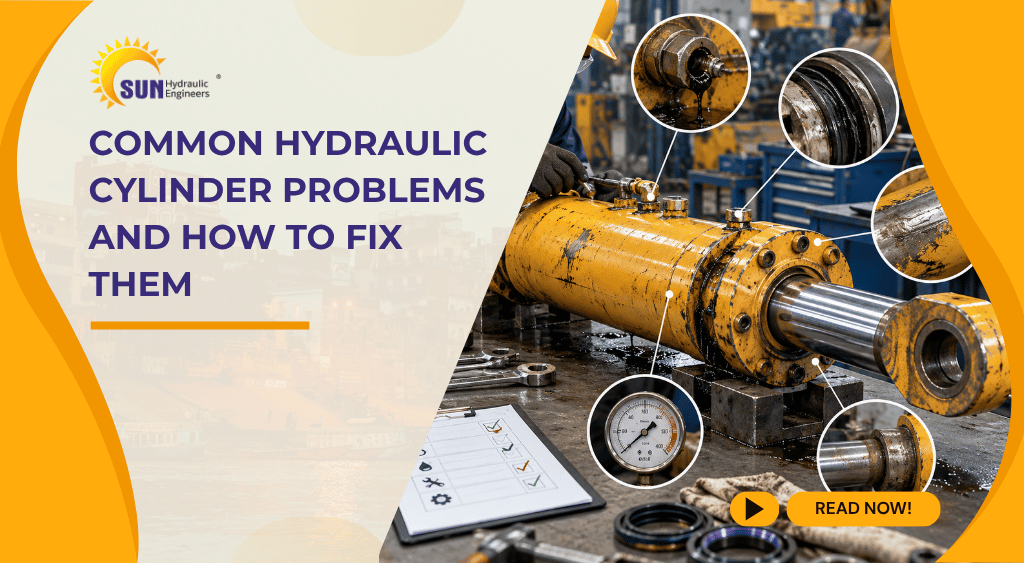
Hydraulic cylinders are essential components in industrial machinery, construction equipment, material handling systems, hydraulic presses, agricultural machinery, and manufacturing equipment. They convert hydraulic fluid pressure into linear mechanical force, enabling machines to lift, push, pull, clamp, tilt, and press heavy loads.
Despite their robust construction, hydraulic cylinders can develop problems because of continuous operation, excessive loads, contaminated hydraulic oil, incorrect pressure settings, seal wear, poor alignment, or inadequate maintenance. Identifying these issues early can help prevent unexpected downtime and expensive repairs.
This guide covers the most common hydraulic cylinder problems, their possible causes, and practical ways to fix or prevent them.
1. Hydraulic Cylinder Leakage
Hydraulic oil leakage is one of the most common cylinder problems. Leakage may occur externally around the piston rod, gland, seals, ports, or hydraulic connections.
Common Causes
- Worn or damaged seals
- Scratched piston rod
- Loose fittings
- Damaged hydraulic hoses
- Excessive system pressure
- Contaminated hydraulic oil
- Incorrect seal installation
How to Fix It
First, identify the exact leakage point. If oil is leaking around the piston rod, inspect the rod seal and wiper seal. Damaged seals should be replaced with compatible components.
If the piston rod is scratched, bent, or corroded, simply replacing the seal may not solve the problem. The rod may require polishing, rechroming, straightening, or replacement.
Always check the system pressure to ensure it remains within the cylinder’s rated operating range.
2. Slow Hydraulic Cylinder Movement
A cylinder that extends or retracts more slowly than normal can reduce machine productivity and indicate an underlying hydraulic problem.
Possible Causes
- Low hydraulic oil level
- Restricted hydraulic flow
- Clogged filter
- Worn hydraulic pump
- Faulty control valve
- Internal cylinder leakage
- Incorrect flow-control settings
How to Fix It
Check the hydraulic oil level and inspect filters for contamination or blockage. Verify that the pump is delivering the required flow rate.
The control valve should also be inspected for sticking or incorrect adjustment. If the hydraulic system is functioning correctly but the cylinder remains slow, internal leakage across the piston seal may be reducing cylinder efficiency.

3. Hydraulic Cylinder Drifting
Cylinder drift occurs when the cylinder gradually moves from its position even though the control valve is supposed to hold it stationary.
For example, a hydraulic cylinder supporting a load may slowly retract without an operator command.
Common Causes
- Damaged piston seals
- Internal cylinder leakage
- Faulty control valve
- Worn check valve
- Excessive load
- Hydraulic fluid contamination
How to Fix It
First determine whether the leakage is occurring inside the cylinder or elsewhere in the hydraulic circuit. A pressure-holding test can help identify the source.
If the piston seals are worn, the cylinder may need to be dismantled and resealed. If the control valve is allowing fluid to bypass, it may require servicing or replacement.
4. Excessive Hydraulic Cylinder Noise
Unusual noise during cylinder operation should not be ignored.
Common symptoms include:
- Knocking
- Whining
- Vibrations
- Jerky movement
- Hissing sounds
Possible Causes
- Air in the hydraulic system
- Low oil level
- Pump cavitation
- Loose components
- Misalignment
- Contaminated hydraulic fluid
- Excessive operating pressure
How to Fix It
Check the hydraulic reservoir and ensure the oil level is correct. Air trapped in the system may need to be removed through the appropriate bleeding procedure.
Inspect mounting points, cylinder alignment, hoses, and fittings for looseness or mechanical interference.
If the noise originates from the hydraulic pump rather than the cylinder, the pump and suction line should also be inspected.
5. Jerky or Uneven Cylinder Movement
A properly functioning hydraulic cylinder should generally move smoothly. Jerky movement can affect machine accuracy and product quality.
Common Causes
- Air trapped in hydraulic fluid
- Contaminated oil
- Damaged seals
- Misaligned cylinder
- Uneven load
- Incorrect flow-control settings
- Worn cylinder components
How to Fix It
Bleed trapped air from the hydraulic system and check hydraulic oil quality. Replace contaminated oil and filters where required.
Inspect cylinder mounting and alignment. A misaligned cylinder can create side loads on the piston rod, accelerating seal and component wear.
6. Hydraulic Cylinder Overheating
Excessive heat can reduce hydraulic component life and damage seals and other components.
Possible Causes
- Excessive system pressure
- Continuous operation
- Incorrect hydraulic oil
- Restricted flow
- Faulty relief valve
- Insufficient cooling
- Internal leakage
How to Fix It
Check the system pressure and relief-valve settings. Make sure the hydraulic oil is suitable for the application and operating temperature.
Inspect the hydraulic cooler if one is installed. Internal leakage can also generate heat because hydraulic energy is converted into unwanted thermal energy.
7. Piston Rod Damage
The piston rod is exposed to the operating environment and can suffer from scratches, corrosion, dents, or bending.
Causes
- Side loading
- Poor alignment
- Contaminated environment
- Damaged wiper seal
- Improper installation
- Excessive load
How to Fix It
Minor surface damage may sometimes be repaired through appropriate machining or surface treatment. Severe bending, deep scratches, or corrosion may require rod replacement.
To prevent recurring damage, check cylinder alignment and ensure the cylinder is not being subjected to excessive side loads.
8. Cylinder Fails to Extend or Retract
A hydraulic cylinder that does not move at all can bring production equipment to a complete stop.
Possible Causes
- No hydraulic pressure
- Faulty pump
- Blocked hydraulic line
- Faulty control valve
- Mechanical obstruction
- Damaged cylinder
- Insufficient hydraulic oil
How to Fix It
Start by checking hydraulic pressure and oil level. Inspect hoses and pipes for blockages or damage.
Next, verify that the directional control valve is operating correctly. If adequate pressure reaches the cylinder but the cylinder does not move, the cylinder itself may require inspection.
Never attempt to force a jammed cylinder without identifying the cause.
9. Seal Failure
Seals are critical to maintaining hydraulic pressure and preventing fluid leakage. Seal failure is often caused by normal wear, excessive temperature, contamination, incorrect seal material, or improper installation.
How to Prevent Seal Failure
- Use seals compatible with the hydraulic fluid.
- Maintain clean hydraulic oil.
- Avoid excessive pressure and temperature.
- Inspect piston rods regularly.
- Replace damaged wiper seals.
- Follow correct seal-installation procedures.
When replacing seals, it is generally better to inspect the entire sealing system rather than replacing only the visibly damaged seal.
10. Cylinder Mounting and Alignment Problems
Incorrect alignment can create side loading, resulting in accelerated wear of the piston rod, seals, bearings, and cylinder components.
Common Signs
- Uneven rod wear
- Repeated seal failure
- Jerky movement
- Excessive vibration
- Abnormal noise
- Frequent cylinder repairs
How to Fix It
Inspect mounting brackets, pins, bushings, and alignment points. Ensure the cylinder is correctly positioned relative to the machine’s moving components.
If the same cylinder repeatedly develops seal or rod problems, alignment should be checked before simply replacing components again.
Hydraulic Cylinder Preventive Maintenance
Regular preventive maintenance can significantly reduce cylinder failures and unplanned downtime.
A basic maintenance program should include:
- Checking hydraulic oil levels
- Inspecting for external leaks
- Checking piston rods for damage
- Monitoring operating pressure
- Replacing filters at recommended intervals
- Inspecting hydraulic hoses and fittings
- Checking cylinder mounting
- Monitoring unusual noise or vibration
- Maintaining correct hydraulic oil quality
- Inspecting seals periodically
Keeping hydraulic oil clean is particularly important because contaminated fluid can damage pumps, valves, cylinders, and seals throughout the hydraulic system.
When Should a Hydraulic Cylinder Be Repaired or Replaced?
Not every cylinder problem requires complete replacement.
Repair or refurbishment may be appropriate when:
- Seals are worn
- Minor rod damage can be repaired
- Hydraulic fittings are damaged
- Bushes or bearings require replacement
- Internal components remain structurally sound
Replacement may be more appropriate when:
- The cylinder barrel is severely damaged
- The piston rod is badly bent
- Major internal components are beyond economical repair
- The cylinder has repeated failures
- The existing cylinder is unsuitable for the application
For critical industrial equipment, a professional inspection can help determine whether repair, rebuilding, or replacement is the most economical option.
How to Extend Hydraulic Cylinder Life
The service life of a hydraulic cylinder depends heavily on operating conditions and maintenance.
Follow these practices:
- Keep hydraulic oil clean.
- Use the correct hydraulic fluid.
- Avoid exceeding rated pressure.
- Prevent excessive side loading.
- Keep piston rods clean.
- Inspect seals regularly.
- Maintain correct alignment.
- Replace damaged hoses and fittings promptly.
- Follow recommended maintenance intervals.
- Address small leaks before they become major failures.
Conclusion
Hydraulic cylinder problems can range from simple seal leakage to more serious issues involving piston rods, hydraulic pressure, alignment, internal leakage, or cylinder damage. Early diagnosis is essential because continuing to operate a faulty cylinder can increase component wear, energy consumption, production downtime, and repair costs.
Regular inspection, clean hydraulic oil, correct pressure settings, proper alignment, and timely seal replacement can prevent many common cylinder failures. When a cylinder requires major repair or replacement, choosing correctly engineered components is equally important.
For industrial applications, businesses should work with experienced hydraulic cylinder manufacturers in India that can provide cylinders designed according to the required pressure, stroke, mounting arrangement, bore diameter, operating environment, and application requirements.
Ultimately, proactive maintenance is the most effective way to improve hydraulic cylinder reliability. By monitoring cylinder performance and addressing problems at an early stage, manufacturers can reduce downtime, extend equipment life, and maintain consistent production performance.