Introduction
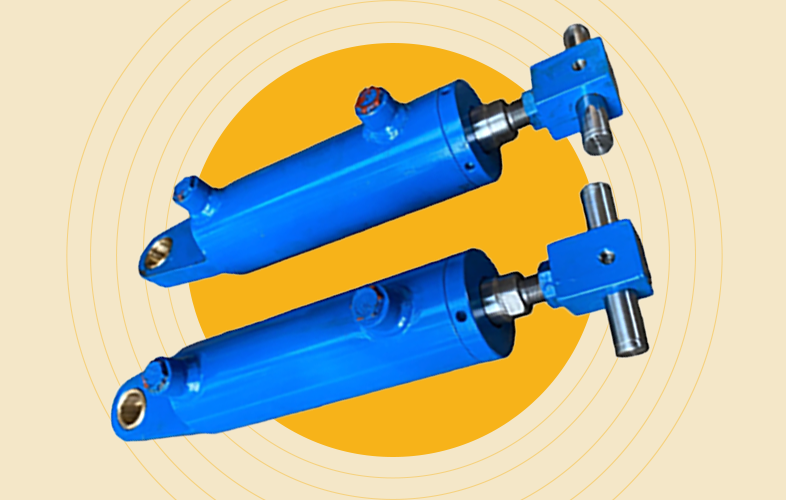
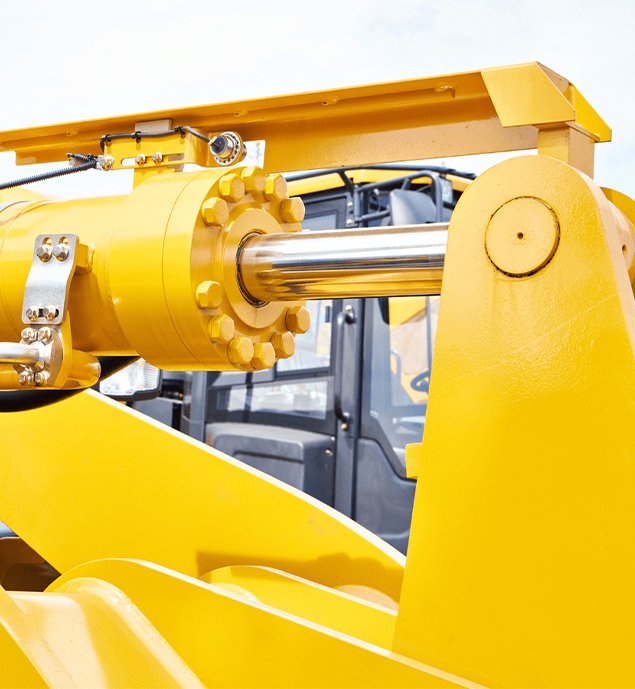
Hydraulic cylinders play an important role in heavy industries by converting hydraulic energy into linear force and movement. They are widely used in hydraulic presses, construction equipment, mining machinery, steel plants, material handling systems, and industrial automation.
For heavy-duty applications, selecting the right hydraulic cylinder is essential for maintaining machine performance, safety, and productivity. A cylinder that does not match the required pressure, load capacity, stroke length, or operating conditions can lead to oil leakage, unexpected downtime, and higher maintenance costs.
In 2026, Indian industries have access to a wide range of hydraulic cylinder manufacturers offering standard and customised solutions. However, not every manufacturer has the technical expertise or manufacturing capabilities required for specialised industrial applications.
This guide explains the important factors to consider when selecting a custom hydraulic cylinder manufacturer in India.
1. Understand Your Industrial Application
Before approaching a manufacturer, identify how the hydraulic cylinder will be used in your machinery. Different industrial applications require different cylinder designs, materials, pressure ratings, and performance characteristics.
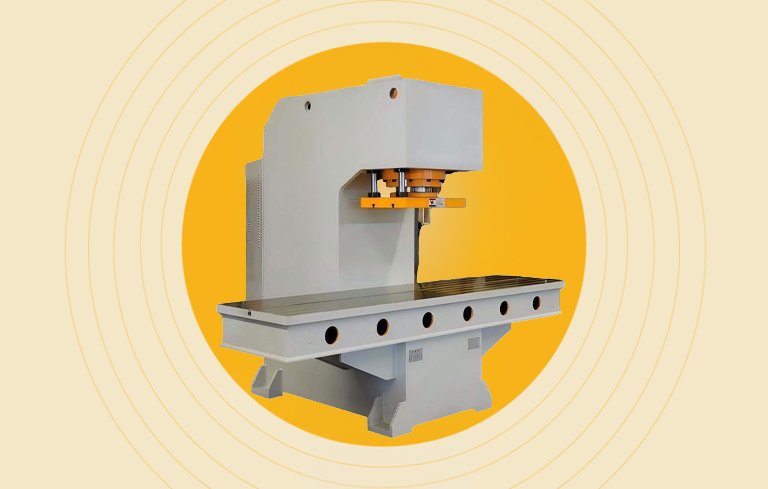
For example, hydraulic presses require cylinders capable of generating high force, while construction machinery may require cylinders designed to withstand vibration, dust, and changing environmental conditions.
Common applications include:
- Hydraulic press machines
- Steel and metal processing equipment
- Mining and construction machinery
- Material handling and lifting systems
- Industrial automation equipment
- Agricultural machinery
- Plastic processing machinery
- Heavy engineering equipment
Clearly defining the application helps manufacturers recommend a suitable cylinder design and avoid unnecessary modifications during production.

2. Check the Manufacturer’s Customisation Capabilities
Standard hydraulic cylinders may not meet the requirements of every industrial machine. Heavy industries often need customised cylinders designed according to specific dimensions, load conditions, mounting arrangements, and operating pressures.
Before selecting a manufacturer, check whether they can customise the following specifications:
Bore diameter: The bore diameter affects the force generated by the cylinder at a given operating pressure.
Stroke length: Stroke length determines the distance the piston rod travels during operation.
Operating pressure: The cylinder must be designed to handle the system’s working pressure and applicable pressure variations.
Mounting arrangement: Clevis, flange, trunnion, and other mounting options depend on the machine’s design.
Rod diameter: Proper rod sizing helps support the required load and reduces the risk of bending under demanding operating conditions.
Overall dimensions: The cylinder must fit within the available machine space and connect properly with the existing hydraulic system.
A manufacturer with strong customisation capabilities can help businesses obtain cylinders that match their operational requirements instead of forcing machinery to accommodate a standard product.
3. Evaluate Material Quality and Manufacturing Standards
Material quality directly affects the strength, durability, and service life of a hydraulic cylinder. Heavy industrial applications can expose cylinders to high loads, pressure variations, friction, and challenging operating environments.
When evaluating a manufacturer, ask about the materials and manufacturing processes used for major components.
| Component | What to Check |
| Cylinder barrel | Material strength, surface finish, and dimensional accuracy |
| Piston rod | Suitable material, surface hardness, and corrosion protection |
| Piston | Proper fit, strength, and sealing arrangement |
| Seals | Compatibility with hydraulic fluid, temperature, and pressure |
| End covers | Structural strength and machining quality |
| Welded joints | Weld quality and inspection procedures, where applicable |
| Surface finish | Smoothness and dimensional consistency of critical surfaces |
Also ask about machining facilities, dimensional inspection, assembly procedures, and pressure testing. These checks help determine whether the manufacturer can consistently produce cylinders suitable for demanding industrial applications.
4. Verify Pressure Rating and Load Capacity
Pressure rating and load capacity are among the most important technical factors when selecting a hydraulic cylinder.
A cylinder’s theoretical extension force depends on the piston area and hydraulic pressure. For extension, the basic relationship is:
Force = Pressure × Piston Area
For retraction, the effective area is reduced by the piston rod area.
However, the final cylinder design must also account for friction, load direction, operating conditions, mounting arrangements, and safety requirements.
Before placing an order, confirm the following:
- Maximum working pressure
- Required extension and retraction force
- Operating speed
- Stroke length
- Expected duty cycle
- Piston rod buckling considerations
- Side-load limitations
- Applicable testing requirements
Avoid selecting a cylinder based only on its external dimensions or advertised pressure rating. The complete design should match the actual machine requirements.
5. Review the Manufacturer’s Engineering and Design Support
Custom hydraulic cylinders often require detailed engineering calculations and design coordination. This is particularly important when replacing an existing cylinder, upgrading industrial equipment, or developing a new machine.
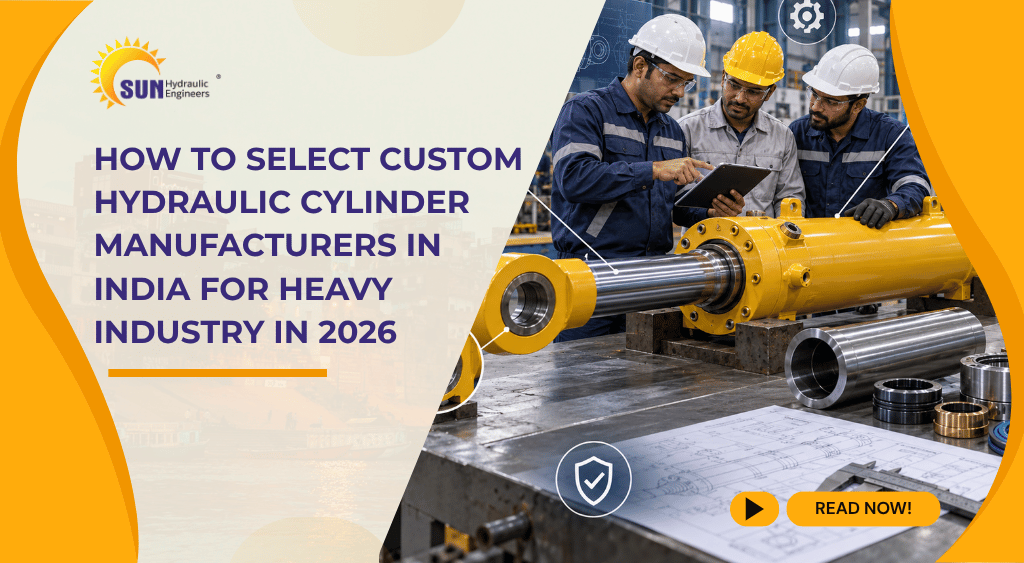
A capable manufacturer should be able to review technical drawings, dimensions, operating pressure, load requirements, mounting details, and working conditions.
Engineering support may include:
- Cylinder sizing and force calculations
- Bore and rod diameter selection
- Stroke length and mounting design
- Seal selection
- Material recommendations
- Hydraulic connection specifications
- Design modifications for existing machinery
For complex applications, ask whether the manufacturer can work with your engineering team to review drawings and resolve technical concerns before production begins.
This approach can help reduce design errors, installation problems, and costly changes after manufacturing.
6. Compare Quality Testing and Inspection Processes
A hydraulic cylinder may look properly manufactured from the outside, but its internal performance depends on accurate machining, suitable seals, correct assembly, and proper testing.
Before finalising a supplier, understand the quality checks performed during and after manufacturing.
Important checks may include:
Dimensional inspection: Confirms that critical dimensions meet the approved drawings and specifications.
Pressure testing: Verifies performance under the manufacturer’s specified test conditions.
Leakage inspection: Helps identify sealing problems and potential hydraulic oil leakage.
Movement testing: Checks smooth piston movement and identifies unusual resistance or operational issues.
Surface inspection: Identifies visible defects, damage, and finishing problems.
Ask for relevant inspection or test documentation when required for your project. For critical applications, confirm the acceptance criteria before manufacturing starts.
7. Consider After-Sales Support and Spare Parts Availability
The total cost of a hydraulic cylinder is not limited to its purchase price. Maintenance, replacement parts, repairs, and machine downtime can affect the overall cost of ownership.
When evaluating hydraulic cylinder suppliers in India, consider the availability of technical support, replacement seals, piston rods, repair services, and compatible components.
A reliable supplier should clearly explain warranty coverage, maintenance recommendations, repair options, and the availability of spare parts.
Also check whether the supplier can support future requirements, such as manufacturing additional cylinders with the same specifications or modifying an existing design when machinery requirements change.
For heavy industries, dependable after-sales support can help reduce downtime and maintain production schedules.
8. Compare Quotations Beyond the Initial Price
Price is an important consideration, but choosing the lowest quotation without checking technical specifications can result in higher long-term expenses.
When comparing manufacturers, review the following details:
| Evaluation Factor | Questions to Ask |
| Product specifications | Does the cylinder meet all required dimensions and operating conditions? |
| Material quality | Are the specified materials suitable for the application? |
| Customisation | Are engineering and design modifications included? |
| Testing | What inspection and pressure-testing procedures are included? |
| Delivery timeline | Is the delivery schedule suitable for your project? |
| Warranty | What defects and components are covered? |
| Spare parts | Are seals and other replacement components available? |
| Installation support | Is technical assistance available when required? |
| Commercial terms | Are taxes, transportation, and other charges clearly mentioned? |
Request itemised quotations based on the same technical specifications. This makes it easier to compare suppliers fairly and identify differences in quality, scope, and overall value.
9. Choose a Manufacturer with Relevant Industry Experience
Experience in hydraulic cylinder manufacturing can be valuable, particularly for specialised industrial applications that involve high loads, demanding operating cycles, or limited installation space.
When evaluating a hydraulic cylinder manufacturing company in india, review its experience with similar applications, custom engineering capabilities, production facilities, quality procedures, and customer support.
You can also ask for examples of previous projects, relevant technical documentation, and references where appropriate.
The right manufacturing partner should understand your operating requirements, communicate clearly, provide realistic delivery timelines, and support you throughout the product’s lifecycle.
Conclusion
Selecting a custom hydraulic cylinder manufacturer in India requires more than comparing prices and product dimensions. Heavy industries need cylinders designed to meet their load requirements, operating pressure, stroke length, mounting arrangements, and working conditions.
Before making a decision, evaluate the manufacturer’s engineering expertise, material quality, customisation capabilities, testing procedures, delivery commitments, warranty terms, and after-sales support.
Providing accurate technical specifications and comparing itemised quotations can help you identify a suitable manufacturing partner for your industrial application.
By focusing on quality, application-specific design, and long-term reliability, businesses can reduce maintenance issues, improve equipment performance, and make a more informed investment in custom hydraulic cylinders in 2026.